






06 Feb The Ultimate Guide to Waterproofing Services for Your Home & Office
That first tiny water stain on your ceiling might seem harmless – until it isn’t. In Singapore, where afternoon downpours can unleash a month’s worth of rain in hours, protecting your space from water damage goes beyond routine maintenance. It’s an investment in peace of mind. In this guide, we’ll explore everything you need to know about waterproofing, from roof and bathroom protection to choosing the right specialists for the job.
Importance of Waterproofing in Singapore’s Humid and rainy Climate
Water damage can lead to numerous issues, such as peeling paint, weakened structures, and the growth of mould and mildew. Left unchecked, these problems threaten both your property’s value and the wellbeing of its occupants. Moreover in a country like Singapore, where weather conditions are unpredictable, the importance of waterproofing cannot be overstated.
Common Waterproofing Problems
Waterproofing issues can arise in various parts of a property, leading to inconvenience and costly repairs if left unchecked. Some of the most common problems include:
- Leaks: Often caused by cracks in roofs, walls, or floors, leaks are a primary sign of inadequate waterproofing.
- Seepage: Water seeping through porous materials can damage interiors, cause discoloration, and weaken structures.
- Structural Damage: Prolonged exposure to moisture can lead to rusting of reinforcements, cracking of concrete, and other serious structural concerns.
- Mould and Mildew Growth: Persistent moisture creates the perfect breeding ground for toxic fungi. From respiratory issues to allergic reactions, these silent invaders pose risks that shouldn’t be ignored.
Waterproofing solutions act as a shield, protecting buildings from moisture-related damage and ensuring their longevity and safety.
Roof Waterproofing Essentials
The roof is your building’s first line of defense against Singapore’s intense weather. Let’s explore proven techniques – from liquid membranes to torch-on systems – that keep water at bay and protect your investment.
What Is Waterproofing of the Roof?
Roof waterproofing involves applying protective layers or membranes to prevent water from seeping into the building structure. This process ensures that your roof can withstand heavy rain and humidity, keeping your interiors dry and damage-free. The goal is to create a watertight barrier that guards against external elements and prevents water damage to both interior spaces and structural components. Without proper roof waterproofing, water can seep into cracks and crevices, leading to structural deterioration, rusting of reinforcements, and even electrical hazards. Think of roof waterproofing as your building’s insurance policy – one that actively protects your investment every time rain clouds gather.
Importance of Flat Roof Waterproofing for Homes and Offices
Flat roofs are especially vulnerable to water pooling, as they lack the natural drainage of sloped roofs. Over time, this can lead to leaks and structural issues. Proper flat roof waterproofing prevents water accumulation, extends the roof’s lifespan, and reduces the risk of costly repairs. Additionally, a well-maintained flat roof improves insulation, reduces energy costs, and enhances the overall efficiency of your property. In office spaces, where every minute of downtime costs money, a properly waterproofed flat roof proves invaluable. It shields critical equipment and keeps operations running smoothly, regardless of what’s happening outside. Homeowners, on the other hand, benefit from the peace of mind knowing their families and belongings are protected from water damage.
Types of Roof Waterproofing Singapore Services
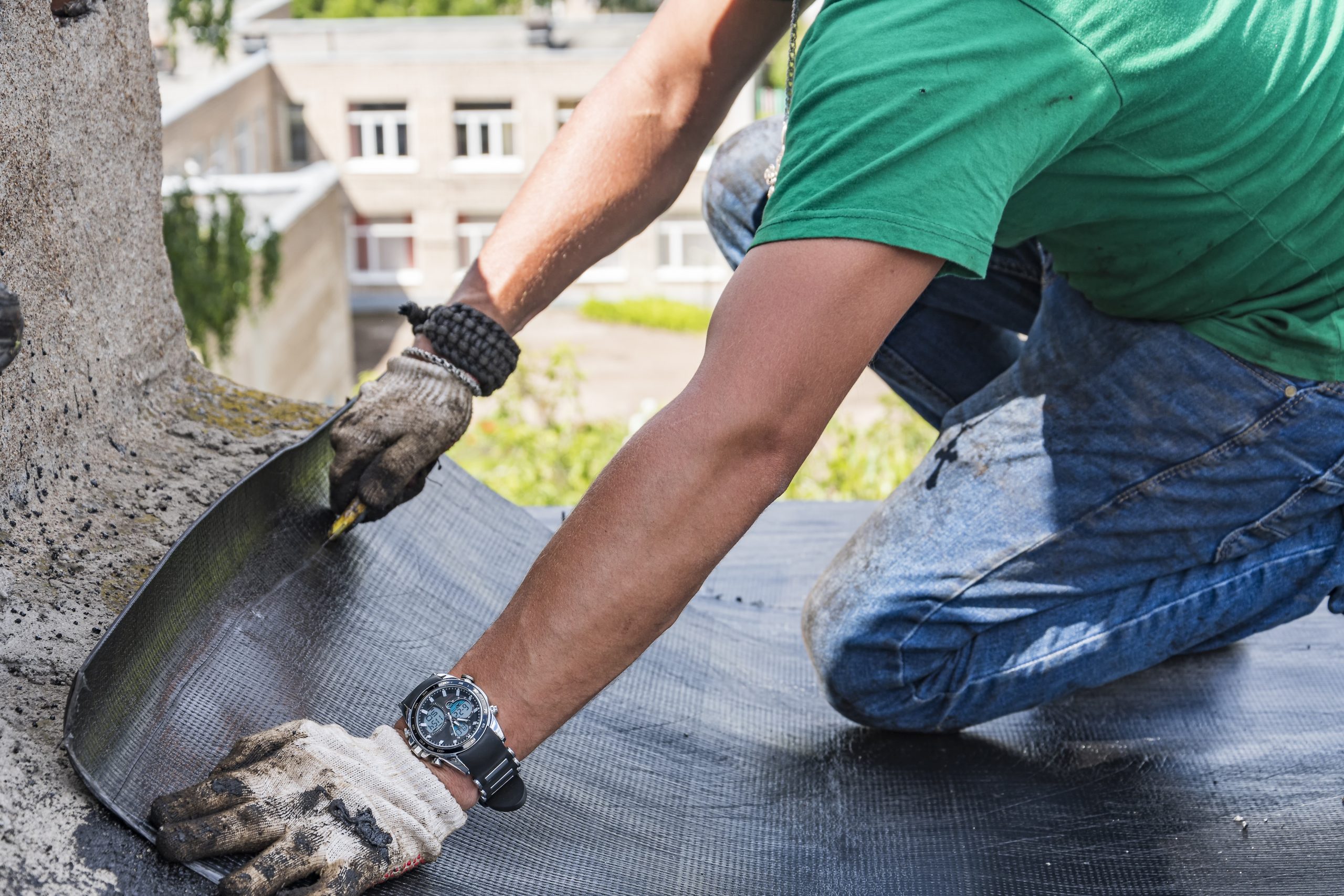
Explore various roof waterproofing services methods in Singapore, designed to protect against water damage while catering to different roof types and needs:
- Liquid Membrane Waterproofing: A flexible and durable solution that can be sprayed or painted onto the roof. This method is ideal for roofs with irregular shapes and offers seamless coverage.
- Torch On Waterproofing Membrane: A heat-applied bitumen membrane offering robust protection against water ingress. This method is highly effective for flat roofs and ensures long-lasting durability.
- Polyurethane Waterproofing: Ideal for roofs with complex shapes, providing excellent elasticity and durability. It’s resistant to UV rays, making it a popular choice for roofs exposed to direct sunlight.
- Cementitious Waterproofing: A cost-effective solution commonly used for residential properties. It’s easy to apply and provides adequate protection for less exposed roofs.
Benefits of Using a Torch On Waterproofing Membrane
These membranes are highly effective for flat roofs, offering distinct advantages:
- Superior Coverage: Delivers seamless protection across your entire roof, eliminating potential weak points where water could seep through.
- Weather Resilience: Withstands extreme conditions, from Singapore’s heaviest downpours to intense heat waves, without degrading.
- Low Maintenance: Requires minimal upkeep after professional installation, reducing your long-term maintenance costs and effort.
- Long-Term Durability: Lasts up to 20 years with proper installation, making it a cost-effective solution for long-term roof protection.
Roof Tile Waterproofing
Your roof tiles face a daily battle against the elements. Through strategic waterproofing – including protective coatings, precise gap sealing, and quality underlayment membranes – you can ensure they not only survive but thrive under Singapore’s challenging weather conditions.
Importance of Roof Tile Waterproofing
Roof tiles, while durable, can develop cracks and gaps over time. These issues can lead to water infiltration, damaging the underlying structure. Waterproofing roof tiles is essential to protect against leaks, extend their lifespan, and maintain the overall appearance of your roof.
Techniques for Waterproofing Roof Tiles
- Tile Coatings: Applying a waterproof coating that seals the tiles and prevents water from penetrating through cracks or porous surfaces.
- Sealing Gaps: Using silicone or specialised sealants to fill gaps between tiles and at joints.
- Underlayment Membranes: Installing a waterproof membrane beneath the tiles as an additional barrier.
Benefits of Roof Tile Waterproofing
- Prevents water damage to the roof deck and structure.
- Protects against mould and mildew growth caused by trapped moisture.
- Enhances the durability and performance of the roof tiles.
- Improves the aesthetic appeal by preventing discolouration or stains caused by water.
Metal Roof Waterproofing
Metal roof waterproofing is essential to prevent rust and leaks in humid climates like Singapore. Techniques such as rust-proof coatings and sealing joints enhance durability and protect your property from water damage.
Challenges of Waterproofing Metal Roofs
Metal roofs are prone to rust, corrosion, and leaks, especially in humid climates like Singapore. Over time, exposure to moisture can weaken metal panels and create openings for water to seep through.
Methods for Waterproofing Metal Roofs
- Rust-Proof Coatings: Applying anti-corrosion coatings to protect the metal surface from rust and degradation.
- Sealing Joints and Screws: Using specialised sealants to secure joints and fasteners, preventing water ingress.
- Installing Waterproof Membranes: Adding a waterproof membrane beneath the metal roof for extra protection against leaks.
Advantages of Metal Roof Waterproofing
- Corrosion Defence: Protects your metal roof against rust and deterioration, dramatically extending its service life.
- Temperature Control: Enhances thermal insulation and reduces heat transfer, leading to better energy efficiency.
- Leak Prevention: Creates a robust barrier against water infiltration, safeguarding your property from damage.
- Low Maintenance: Minimises the need for frequent repairs and upkeep, offering long-term cost savings.
RC Flat Roof Waterproofing
RC flat roof waterproofing protects durable concrete roofs from water seepage and cracks. Techniques like liquid-applied membranes, polyurethane coatings and others enhance longevity and energy efficiency. Meanwhile, regular maintenance is key to optimal performance.
Understanding RC Flat Roofs
Reinforced concrete (RC) flat roofs are commonly used in modern constructions due to their durability and load-bearing capabilities. However, they are highly susceptible to water seepage and cracks due to weathering, thermal expansion, and contraction.
Techniques for RC Flat Roof Waterproofing
- Liquid-Applied Membranes: These are applied directly onto the roof surface, creating a seamless and flexible waterproof layer.
- Bituminous Membranes: Known for their durability, these membranes are heat-applied and offer excellent resistance to water penetration.
- Polyurethane Coatings: Ideal for RC roofs as they provide elasticity and UV resistance, reducing the risk of cracks.
- Cementitious Coatings: A cost-effective option, these coatings are easy to apply and offer decent protection for less exposed RC roofs.
Benefits of RC Flat Roof Waterproofing:
- Structural Protection: Guards against water seepage and prevents moisture from compromising your building’s integrity.
- Crack Prevention: Shields your roof from damage caused by Singapore’s temperature fluctuations and constant sun exposure.
- Extended Lifespan: Significantly prolongs the durability of both your roof and overall building structure.
- Energy Efficiency: Maintains effective insulation by keeping water out, helping reduce cooling costs year-round.
Maintenance Tips for RC Roofs
- Conduct regular inspections for cracks and ponding water.
- Ensure drainage systems are functioning correctly to prevent water accumulation.
- Reapply waterproofing coatings or membranes as recommended by professionals to maintain optimal performance.
Balcony Waterproofing
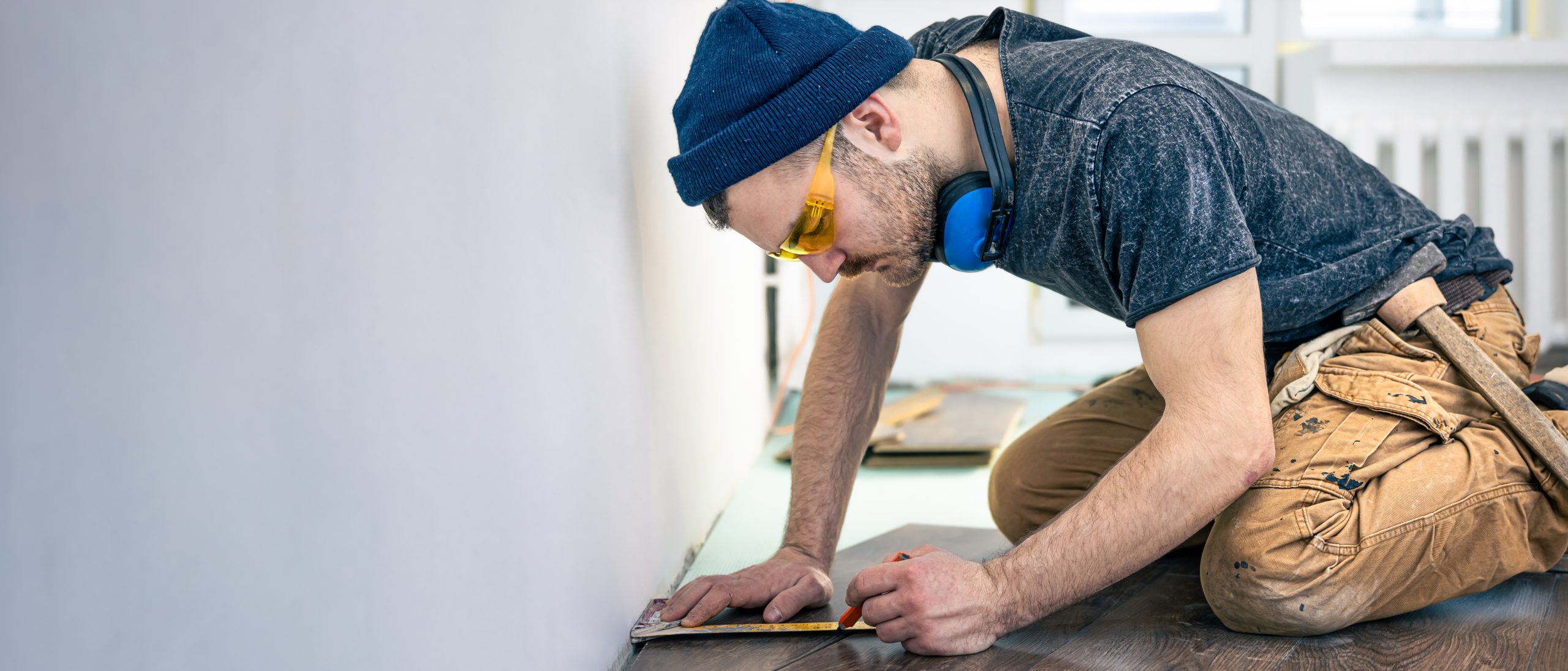
Balcony waterproofing is essential for protecting outdoor spaces from water damage and seepage. Methods like liquid membrane application and tile regrouting help prevent leaks and extend the lifespan of the balcony, enhancing its appearance and structural integrity.
Importance of Balcony Waterproofing
Balconies are exposed to the elements year-round, making them prone to water damage and seepage. Without proper waterproofing, water can penetrate into the flooring and the underlying structure, leading to leaks and structural weakening.
Methods for Waterproofing Balconies
- Liquid Membrane Application: Creates a seamless, water-resistant layer over the balcony surface.
- Tile Regrouting: Ensures gaps between tiles are sealed to prevent water ingress.
- Drainage Solutions: Installing proper drainage systems to prevent water pooling.
Benefits of Balcony Waterproofing
- Extended Durability: Significantly prolongs the life of your balcony’s surfaces and structural elements.
- Interior Protection: Creates a reliable barrier that keeps water from seeping into your living spaces.
- Aesthetic Preservation: Maintains your balcony’s pristine appearance by preventing unsightly water stains and discolouration.
External Wall Waterproofing
External wall waterproofing protects against moisture damage from weather exposure. Techniques like water-repellent coatings and crack sealing enhance durability and property value.
Why External Walls Need Waterproofing
External walls bear the brunt of Singapore’s weather extremes. While they might look solid, these surfaces are surprisingly vulnerable to water damage. Proper waterproofing transforms them from potential weak points into powerful barriers against moisture infiltration and structural decay.
Techniques for Waterproofing External Walls
- Water-Repellent Coatings: Creates a breathable protective layer that effectively repels water while allowing walls to release trapped moisture.
- Crack Sealing: Strategically identifies and fills gaps and cracks to create an unbroken barrier against water infiltration.
- Cladding Systems: Provides an additional protective shield that defends your walls from direct weather exposure.
Advantages
- Comprehensive Protection: Safeguards both exterior facades and interior spaces from water-related deterioration.
- Visual Appeal: Preserves your building’s appearance by preventing water stains and paint damage.
- Investment Value: Enhances your property’s worth by maintaining structural integrity long-term.
Swimming Pool/ Planter Box/ Other Areas Waterproofing
Waterproofing for swimming pools, planter boxes, and similar areas is vital to prevent leaks and structural damage from constant water exposure. Solutions like flexible membranes and root-resistant coatings ensure integrity, reduce maintenance costs, and enhance usability.
Unique Challenges of These Areas
Swimming pools, planter boxes, and other exposed areas face constant exposure to water. If there’s no proper waterproofing, these areas can suffer from leaks, water seepage, and structural damage, leading to costly repairs and maintenance.
Waterproofing Solutions for Swimming Pools
- Flexible Waterproof Membranes: These are applied to pool surfaces to create a watertight layer that withstands water pressure and structural movement.
- Cementitious Coatings: Commonly used for swimming pools, these coatings provide excellent water resistance and durability.
- Epoxy-Based Sealants: Ideal for sealing joints and cracks in pools to prevent water leakage.
Waterproofing Planter Boxes
- Root-Resistant Membranes: Protect against root penetration that can damage the waterproofing layer.
- Drainage Systems: Proper drainage solutions prevent water accumulation and minimise hydrostatic pressure.
- Protective Coatings: Ensure long-term resistance to water and chemicals from soil and fertilizers.
Benefits of Comprehensive Waterproofing for These Areas
- Structural Integrity: Creates a robust seal that prevents water seepage, protecting your investment from costly leaks and damage.
- Cost Efficiency: Reduces long-term maintenance expenses by preventing water-related issues before they start.
- Extended Longevity: Maximises the lifespan of your pools and planters, ensuring they remain functional and beautiful for years to come.
Protecting Your Toilet and Shower Areas
Waterproofing bathrooms is crucial to prevent water seepage and mould growth, which can damage structures and pose health risks. Knowing the differences between toilet and shower waterproofing ensures effective protection for these moisture-prone areas.
Why Waterproofing the Bathroom Is Crucial
Most people think bathrooms are built to handle water – but even the sturdiest bathroom needs proper waterproofing. Without it, everyday moisture finds its way into tiny gaps in your walls and floors.
Soon enough, you might notice dark mould spots in corners, strange smells that won’t go away, or damages that go deep beneath the surface. Good waterproofing stops these problems before they start, protecting both your bathroom and your health.
Differences Between Toilet Waterproofing and Shower Waterproofing
- Toilet Waterproofing: Focuses on preventing water seepage through floor tiles and grout lines. It’s essential for areas where water is more likely to pool, such as around the toilet base.
- Shower Waterproofing: Targets high-moisture areas like shower floors and walls, ensuring water doesn’t penetrate beyond the surface.
This includes sealing joints and corners where water is most likely to seep through.
Step-by-Step Process for Waterproofing Toilet Floor
- Surface Preparation: Clean the floor thoroughly and repair any cracks or holes. Ensure the surface is dry and free from debris to achieve proper adhesion.
- Application of Primer: Apply a waterproof primer to enhance adhesion and create a uniform base for the waterproof membrane.
- Installation of Waterproof Membrane: Lay a waterproof membrane over the surface, ensuring it covers all corners and edges. Overlapping the membrane at seams ensures a watertight seal.
- Tile Installation: Once the membrane cures, install tiles using waterproof adhesive and grout. Ensure the grout lines are filled evenly to prevent gaps.
- Final Sealing: Seal grout lines with a water-repellent sealer to provide additional protection against water ingress.
The Comprehensive Bathroom Waterproofing Process
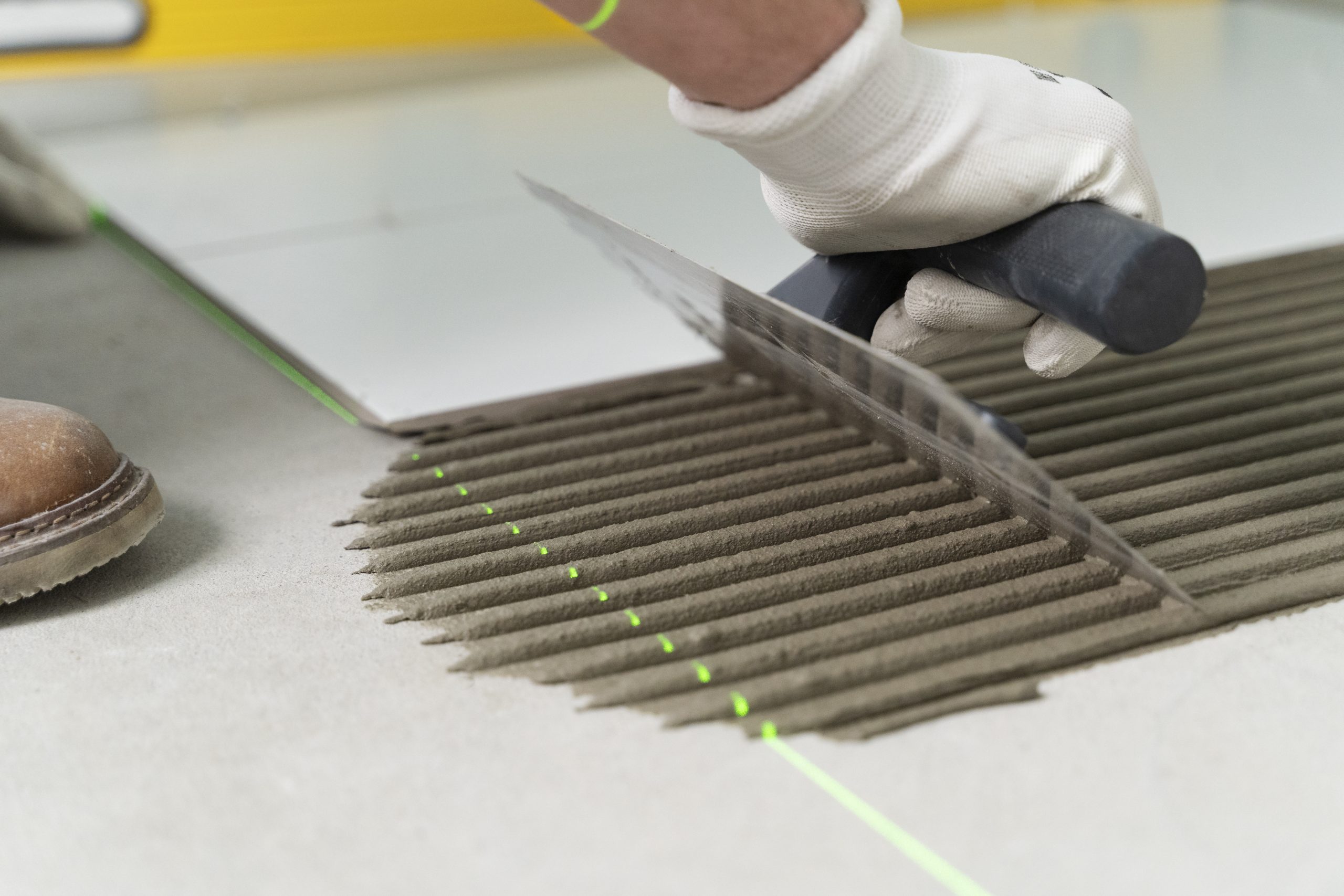
The secret to effective bathroom waterproofing lies in targeting the weakest points where water commonly infiltrates. Professional waterproofing applies durable membranes to floors and carefully seals grout lines, creating a comprehensive barrier. This thorough protection does more than just prevent leaks. It safeguards your bathroom’s structure and helps you avoid expensive repairs down the road.
Key Areas Prone to Water Damage in Bathrooms
Bathrooms are vulnerable to water damage in areas such as floors, walls, corners, and grout lines. Without adequate protection, these areas can lead to leaks and structural issues over time.
How Bathroom Waterproofing Prevents Water Seepage
Professional waterproofing creates a watertight seal that prevents moisture from penetrating surfaces. This ensures long-term durability and minimises maintenance costs.
Importance of Waterproof Membranes
Waterproof membranes serve as your bathroom’s protective skin. Unlike hard barriers, they flex and adapt while maintaining a perfect seal against water. This simple but effective solution keeps your bathroom structure dry and mould-free.
Advantages of Waterproofing Services in Singapore
Professional waterproofing services in Singapore enhance building longevity by preventing moisture damage. While DIY methods may seem cost-effective, hiring experts ensures quality work and long-term savings on repairs.
How Professional Roof Waterproofing Singapore Services Can Prolong Building Lifespan
Your roof faces a daily battle against Singapore’s elements. Professional roof waterproofing services provide the expertise and solutions needed to shield your building from our unforgiving climate. Without proper protection, these harsh conditions can quickly compromise even the sturdiest structures.
In addition, expert waterproofing works help to:
- Extends the lifespan of roofs
- Reduces the need for frequent repairs
- Preserves the aesthetic appeal of the building
As a result, property owners can ensure long-term savings and peace of mind by investing in professional services.
Cost vs. Value of Hiring Experts for Bathroom Waterproofing
DIY waterproofing might seem like a money-saving choice at first glance. Yet it rarely matches the quality and longevity that professional services deliver. Professional waterproofing ensures the job is done right from the start. Experts combine quality materials with proven techniques to create effective, lasting solutions. This expertise prevents tomorrow’s headaches. A proper waterproofing job stops issues like leaks and water damage before they begin.
What may surprise you is the true cost of DIY attempts. Fixing recurring problems from poorly done waterproofing often costs more than hiring professionals in the first place. Best of all, professionals tailor their approach to your specific needs. This customised solution ensures your waterproofing performs effectively for years to come.
Common Mistakes to Avoid:
DIY Waterproofing Risks
Many homeowners attempt DIY waterproofing to save costs. However, this approach often leads to unsatisfactory results.
Common mistakes include:
- Inadequate surface preparation
- Using substandard materials
- Improper application techniques
These errors can result in waterproofing failures, including:
- Leaks
- Cracks
- Early material deterioration
Furthermore, addressing these issues after a failed DIY attempt can be more expensive and time-consuming than hiring professionals from the outset.
Professional waterproofing services bring expertise, specialised tools, and tested methods to ensure a durable and effective solution.
Ignoring Annual Maintenance Checks
When it comes to waterproofing, prevention beats cure every time. Regular maintenance checks help catch small problems before they escalate into expensive headaches. Professional inspections identify vulnerable spots early, ensuring your waterproofing continues to protect your property effectively. These routine checks might seem like an extra expense, but they’re actually a smart investment. By spotting and fixing minor issues early, you avoid costly repairs and extend the life of your waterproofing system.
Choosing the Right Waterproofing Experts
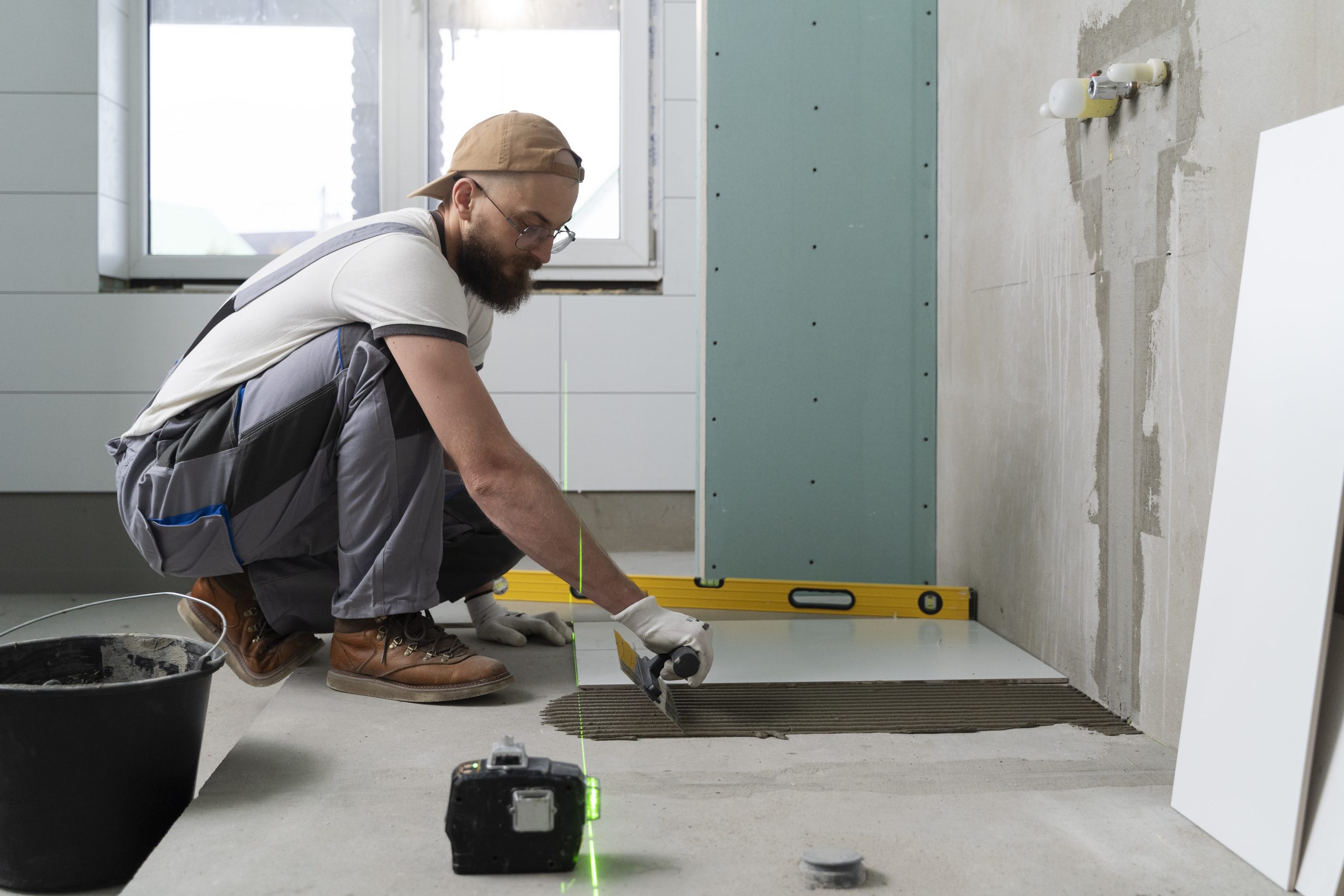
Choosing the right waterproofing specialist can make all the difference between lasting protection and recurring problems. Key questions to ask include their licensing, experience, materials used, and whether they offer warranties or maintenance services to ensure a reliable partnership.
Questions to Ask Before Hiring Waterproofing Specialists
- Are you licensed and certified?
- How many years of experience do you have in waterproofing?
- Can you provide references or case studies of past projects?
- What materials and techniques do you use for waterproofing?
- Do you offer warranties or maintenance services?
Importance of Certified and Experienced Professionals
When it comes to waterproofing, experience and certification make a crucial difference. Professional contractors don’t just know which materials and techniques work best – they understand why they work. Their industry certification demonstrates a commitment to quality standards, while their experience ensures they can handle any challenge your property presents.
Extended: Key Considerations for Selecting a Waterproofing Service
Selecting the right waterproofing service requires careful consideration to ensure long-lasting results. Here are key factors to keep in mind:
Assessing Your Specific Needs
- Identify the areas requiring waterproofing (e.g., roof, bathroom, basement).
- Understand the extent of the problem to determine the type of service needed.
Researching Service Providers
- Choose waterproofing companies that specialize in your specific needs, whether it’s roof, bathroom, or external wall protection.
- Check reviews, testimonials, and case studies to gauge customer satisfaction.
Budget and Cost Transparency
- Get clear, itemized quotes from multiple contractors. A trustworthy provider will explain every cost and never surprise you with hidden fees.
- Think long-term when comparing prices. Quality waterproofing might cost more initially but saves money by preventing costly repairs and damage.
Warranty and Post-Service Support
- Select contractors offering strong warranties – this guarantees their commitment to quality work.
- Find providers who deliver ongoing support. Good maintenance services help your waterproofing last longer.
Use of Advanced Materials and Techniques
- Look for services that use modern, durable waterproofing materials like polyurethane membranes or liquid-applied coatings.
- Advanced techniques, such as heat-applied membranes, ensure better adhesion and durability.
Commitment to Safety Standards
- The service should prioritise safety during application, especially for roofs or hard-to-reach areas.
- Adherence to environmental and building regulations is a must.
Conclusion
Every property in Singapore deserves reliable protection against water damage. Professional waterproofing services provide comprehensive solutions. It’s to safeguard your home or office, from protecting your roof to waterproofing toilet floor to ensure your bathroom remains free from water damage. Prevent tomorrow’s problems with professional waterproofing today. Secure your property against water damage. Contact Proseal for expert advice and a free consultation.

Sorry, the comment form is closed at this time.