






26 Feb Comprehensive Guide to Concrete Repairs and Spalling Concrete Solutions
Singapore’s tropical climate poses unique challenges for building maintenance. The combination of heavy rainfall and high humidity creates ideal conditions for concrete damage – particularly a problem called spalling, where concrete begins to crack and peel away. When this happens, the steel supports inside the concrete become exposed and vulnerable to rust. Left unchecked, spalling can weaken buildings and structures, leading to costly repairs down the line. But there’s good news: with proper understanding and timely action, building owners can effectively address and prevent concrete spalling issues. In this guide, we’ll walk you through everything you need to know about concrete repairs in Singapore’s climate, from identifying early warning signs to implementing long-lasting solutions.
Importance of Maintaining Concrete Structures in Singapore’s Humid Climate
Regular maintenance, including spalling concrete repair, plays a vital role in protecting buildings and avoiding expensive damage. When building owners stay on top of concrete maintenance, they not only preserve their property’s value but also ensure the safety of everyone who uses the building. Like many building issues, concrete problems are easier and less expensive to fix when caught early so it doesn’t develop into a serious structural weakness if ignored.
Overview of Common Concrete Issues
Common concrete problems that require concrete repairs in Singapore include:
- Surface cracks and deterioration
- Water seepage and moisture damage
- Steel reinforcement corrosion
- Spalling concrete in moisture-prone areas
- Joint deterioration and structural weakening
- Carbonation due to environmental exposure
Introduction to Professional Spalling Concrete Repair Contractors Singapore
Professional contractors in Singapore specialise in concrete repair and maintenance. These experts possess the necessary skills, equipment, and certifications to handle various concrete issues. Besides that, they understand local building codes and climate-specific challenges. When selecting a contractor, consider their:
- Experience with similar projects
- Technical expertise and qualifications
- Safety protocols and insurance coverage
- Quality of materials and workmanship
- Track record and client testimonials
What Is Concrete Spalling?

Concrete spalling is the deterioration of concrete surfaces. It is characterised by flaking, chipping, or peeling. Spalling can compromise the structural integrity of concrete surfaces. Thus, timely repairs are essential.
How it Occurs
Spalling concrete issues primarily affect older buildings, especially in areas with damp conditions like kitchens and toilets. When moisture seeps into cracks and reaches the steel bars inside, they rust and expand, forcing the concrete to break apart.
The Main Causes of Concrete Spalling:
Picture concrete like the shell of an egg – when it cracks, water can get inside and cause problems. Here’s what typically leads to spalling:
- Water getting inside the concrete through tiny openings, causing the metal supports inside to rust
- Not enough concrete covering the metal supports, making it easier for water to reach them
- Natural wear and tear as concrete ages and breaks down over time
- Regular exposure to rain and moisture, especially in poorly maintained areas
- Contact with harsh cleaning chemicals that can damage the concrete surface
- Putting off repairs when small problems first appear
If these issues aren’t fixed, what starts as a small damaged area can spread, eventually weakening the entire structure
Common Signs of Concrete Damage

Concrete structures often exhibit certain signs when they begin to deteriorate. Recognising these early warning signs can help address issues before they become severe.
Early Warning Signs:
- Flaking or peeling concrete surfaces
- Visible cracks in walls and ceilings
- Exposed steel reinforcement bars
- Concrete debris falling from surfaces
- Rust stains on concrete surfaces
- Bulging or deformation of concrete surfaces
- Hollow sounds when tapping concrete surfaces
Regular inspections can help identify these issues before they become severe. Moreover, early detection allows for more cost-effective repairs.
Types of Concrete Repairs

Repairing of concrete varies depending on the type and severity of the damage. Understanding the appropriate repair techniques ensures effective restoration and longevity.
Let’s break down the two main repair approaches:
Concrete Wall Repair Process
Think of this as giving your walls a complete health check-up and treatment. Here’s what professional contractors will do:
- First, they’ll thoroughly inspect the wall to understand what’s causing the problem
- They’ll seal any cracks to stop water from getting in
- Clean the damaged area to create a strong foundation for repairs
- Apply specially designed repair materials that bond well with existing concrete
- Add protective coatings to prevent future damage
- Keep an eye on the repairs to ensure everything stays in good shape
Spalling Concrete Repair Process
 The repair process requires precision and proper sequencing, much like surgery:
- First, remove all the damaged concrete to expose the affected area
- Clean any rusty metal supports until they shine
- Protect the metal with anti-rust coating
- Add a special glue-like substance to help the new concrete stick
- Fill in the area with high-quality repair concrete
- Match the color to the rest of your wall
- Give it enough time to fully heal before it gets wet
Each step is crucial for a lasting repair that not only looks good but also strengthens your building’s structure.
Safety Measures During Repairs
When working with concrete, safety comes first. Anyone undertaking repair work must:
- Protect themselves with proper safety gear – this includes helmets, gloves, and safety glasses
- Use the right tools for each task, making sure they’re in good condition
- Cover nearby areas with thick cardboard to prevent damage from falling debris
- Dispose of waste materials properly and safely
- Take extra precautions when working on ladders or scaffolding
Preventive Repairs
Preventing concrete damage is far more cost-effective than fixing it later. A well-planned maintenance strategy includes sealing joints, applying waterproof coatings, and protecting concrete surfaces from wear and tear. By staying on top of these preventive measures, building owners can significantly extend the life of their concrete and avoid expensive repairs down the road.
Importance of Hiring Professional Contractors
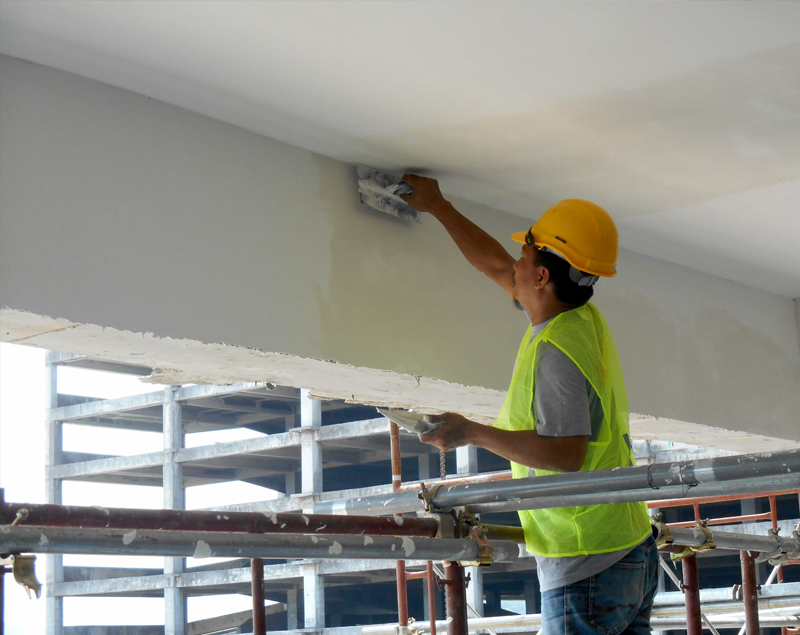
Hiring certified contractors ensures that concrete repairs are carried out with expertise and in compliance with regulations. Professional services offer several benefits over DIY repairs.
Why Choose Certified Spalling Concrete Repair Contractors in Singapore
When it comes to concrete repairs, certified contractors bring invaluable expertise to your project. Their BCA license demonstrates their ability to handle complex structural repairs, while comprehensive insurance coverage protects your investment. Years of experience with Singapore’s unique climate have given them deep insight into which solutions work best for local buildings. These professionals use industry-approved materials. For building owners, this means peace of mind knowing their concrete repairs are in capable hands.
Benefits of Professional Services
- Expert Assessment: Trained specialists identify the root cause of your concrete problems and create targeted repair plans.
- Quality Work: Only proven repair methods and premium materials are used to ensure lasting results.
- Proper Planning: Teams schedule repairs to minimize disruption to your daily activities while maintaining high standards.
- Full Protection: Your repairs are backed by warranty coverage, and all work complies with Singapore’s building codes.
- Smart Investment: While professional repairs may cost more upfront, they prevent recurring problems and save money over time.
Risks of DIY Repairs
Amateur repairs might save money today but can cost much more tomorrow. Without proper training, it’s easy to misdiagnose the real problem or use the wrong repair methods. Most hardware stores don’t stock the high-grade materials that professionals use, which means repairs may not last. More seriously, incorrect repairs can create safety hazards and even damage your building’s structure.
Preventive Maintenance Tips for Long-lasting Concrete Structures
Preventive maintenance practices are key to extending the lifespan of concrete structures. Regular attention to small issues can prevent major problems. Here are some key ways to maintain concrete, including regular checks, waterproofing, and sealing cracks:
Regular Maintenance Practices
Regular maintenance helps identify and resolve minor issues promptly, preventing them from escalating into costly problems.
Keeping detailed records ensures consistency and effectiveness in these efforts:
- Paint ceilings regularly to prevent carbonation.
- Timely seal cracks and holes to prevent concrete wall repair issues.
- Ensure proper ventilation in moisture-prone areas.
- Conduct regular inspections to catch early signs of deterioration.
- Address minor issues before they escalate.
- Keep records of maintenance activities.
- Monitor problem areas frequently.
Waterproofing to Prevent Water Infiltration
Water damage is the leading cause of concrete deterioration, but proper waterproofing can significantly extend your building’s life. Here’s how to protect your structure:
- Start with protective coatings – apply high-quality waterproof materials to shield your concrete surfaces
- Maintain proper drainage – inspect and clean your drains regularly to prevent water from collecting around the building
- Shield vulnerable areas – install additional protective barriers in spots that frequently encounter moisture
- Add final protection – seal all exposed concrete surfaces with water-repellent products for complete coverage
Timely Crack Sealing to Prevent Concrete Wall Repair Issues
Spotting and fixing cracks early can save you from expensive repairs later. Begin with regular building inspections to catch any new cracks. When you find them, use the right type of sealant immediately – this stops water from getting in and prevents the cracks from growing larger.
Conclusion
Maintaining concrete structures, including concrete wall repair, is essential for Singapore buildings’ longevity. While property owners need to stay alert for signs of deterioration, professional help makes all the difference in preventing serious damage. Proseal’s certified contractors provide comprehensive concrete solutions, from spalling concrete repairs to structural remediation. Contact us today for expert assessment and peace of mind.

Sorry, the comment form is closed at this time.