






10 Dec 7 Critical Signs Your Wet Areas Need Urgent Waterproofing (Don’t Ignore #4)
Water damage rarely happens overnight. In Singapore’s humid climate, combined with daily water exposure in toilets, bathrooms, kitchens and balconies, moisture problems tend to start small and worsen quietly. What begins as a faint musty smell or hairline crack can escalate into structural damage, mould infestation, or even water seepage into your neighbour’s unit.
Why Early Detection Saves Thousands
Ignoring waterproofing issues often leads to rising repair costs. A minor toilet waterproofing repair may cost a few hundred dollars, but once the waterproofing membrane fails, you may face hacking, tile replacement, electrical rewiring, and carpentry repairs, easily amounting to thousands.
For homeowners planning future resale, unresolved moisture problems can also reduce your property value. Potential buyers notice stains, mould and damaged tiles immediately—and these red flags can significantly affect negotiation power. Early bathroom waterproofing, kitchen waterproofing, and balcony protection isn’t just preventive; it protect your home’s value and avoids long-term disruption.
Universal Warning Signs Across All Wet Areas
Whether you live in an HDB flat, condo or landed home, the following symptoms indicate waterproofing failure. If you notice any of these, it’s time to assess the waterproofing of your toilet, kitchen, bathroom or balcony before the problem spreads.
1. Musty Odours and Where They Come From
A persistently damp, earthy smell, especially near corners or hidden areas, usually signals trapped moisture beneath tiles or behind walls. Since moisture can’t evaporate, odours linger no matter how much you clean.
2. Visible Mould Growth Patterns
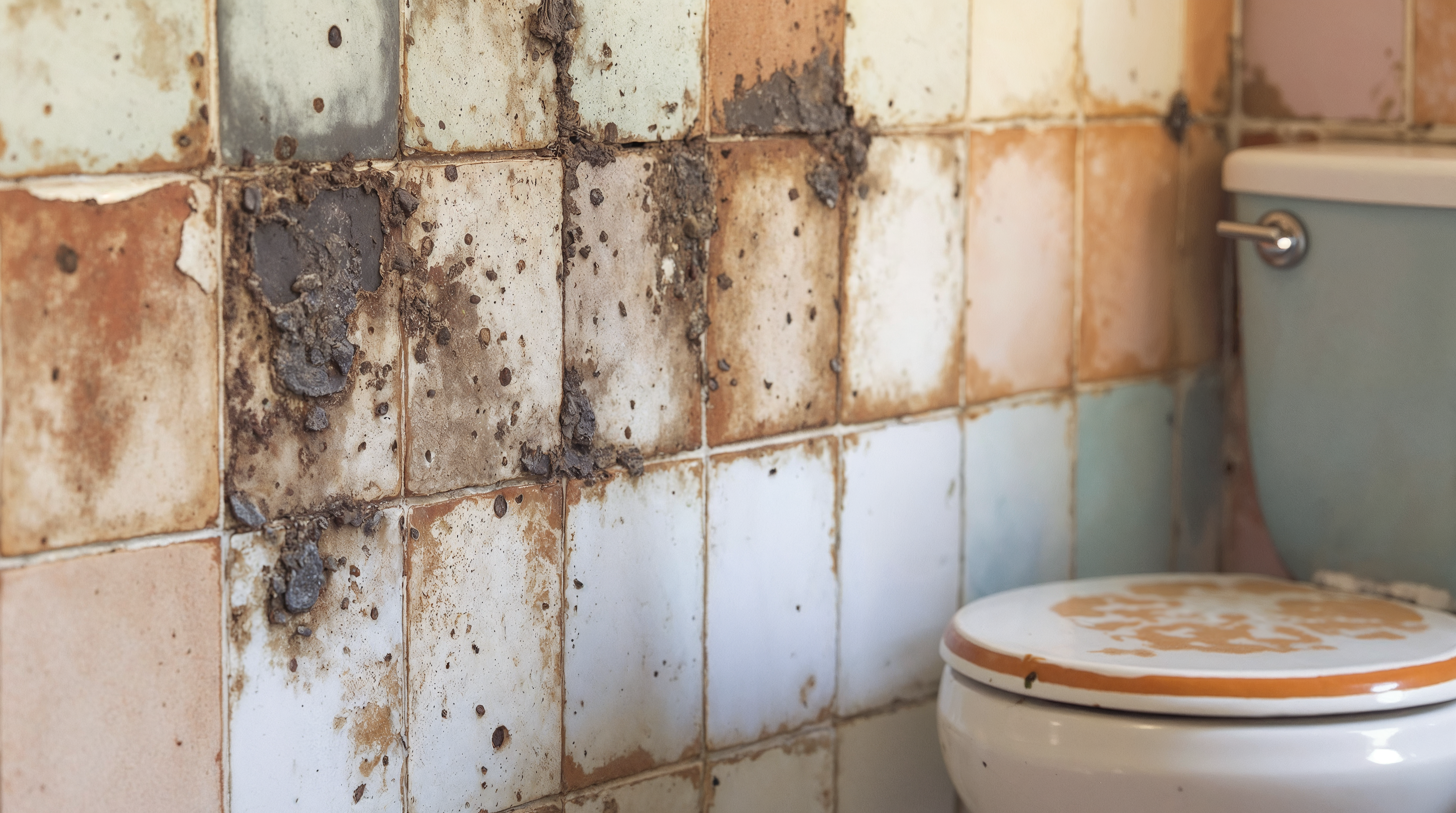
Mould thrives in wet, poorly ventilated surfaces. Pay attention to black or dark-green patches along tile grout, ceilings, skirting boards, and behind cabinetry. Mould does not grow without moisture—so its presence is a major waterproofing red flag.
3. Water Stains and Discolouration
Brown, yellow or dark patches on walls and ceilings suggest ongoing seepage. In toilets or bathrooms located above another unit, this often results in the lower floor unit showing stains on its ceiling, a common HDB dispute point.
4. Peeling Paint or Bubbling Walls (Don’t Ignore This One!)
If paint starts to blister, bubble or peel, water has already penetrated beneath the surface. This is often a sign that the waterproofing membrane has failed, and moisture is working its way through the wall structure. Left untreated, it can cause deep structural deterioration.
5. Loose or Hollow-Sounding Tiles
Tap tiles lightly with a coin. A hollow sound indicates water accumulation underneath and potential erosion of the substrate. Loose tiles mean the adhesive has weakened—a strong sign of water penetration.
6. Persistent Dampness That Won’t Dry
If an area feels constantly wet, even hours after cleaning, it suggests ongoing seepage from pipes, flooring or walls. This is common near shower areas, toilet bowls, and balcony corners.
7. Efflorescence (White Powder Deposits)
White, chalky residue on tiles, walls or concrete surfaces occurs when water evaporates and leaves mineral deposits behind. This is one of the strongest indicators of long-term moisture exposure.
Location-Specific Red Flags to Watch
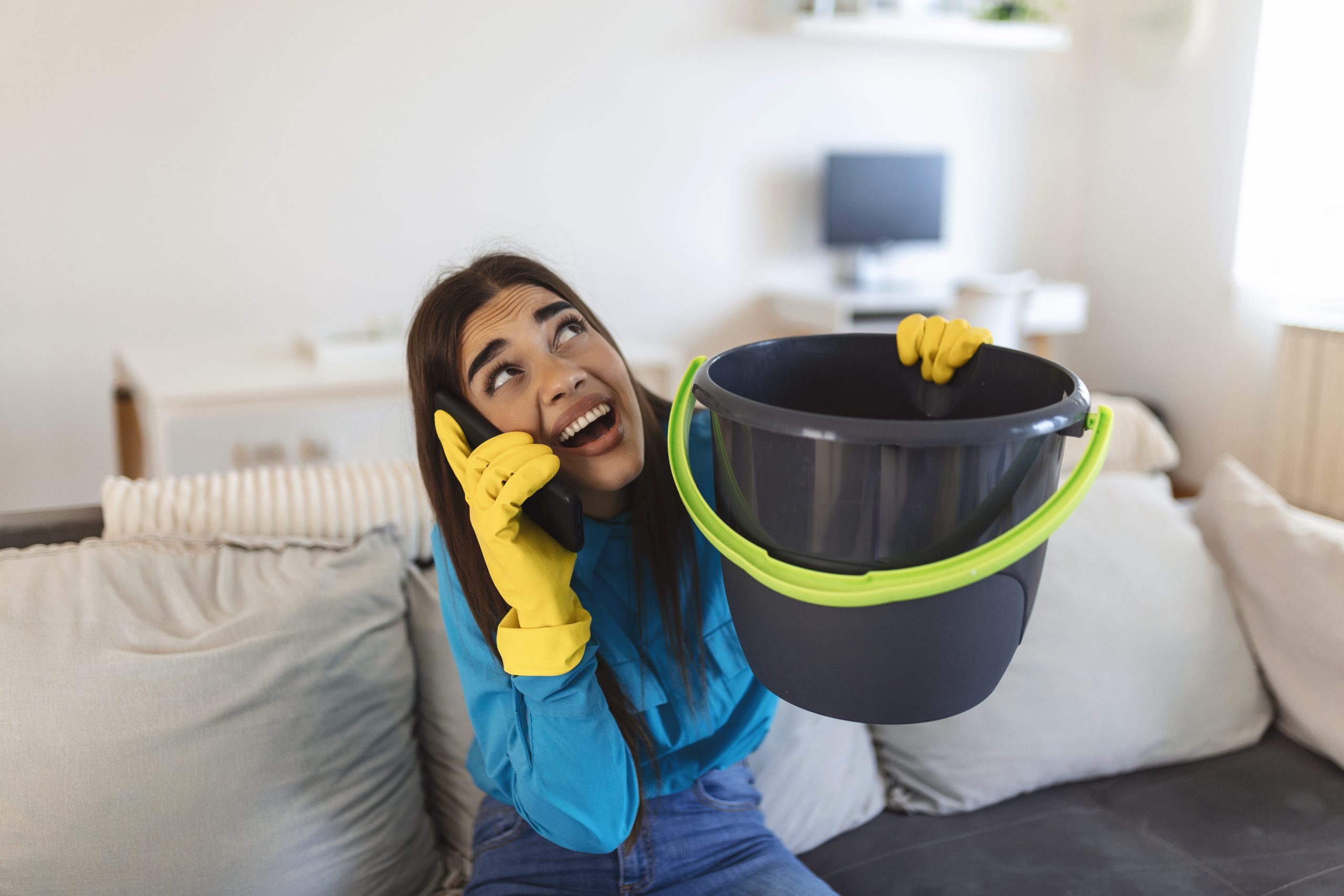
While universal signs help identify general moisture issues, wet-area-specific symptoms offer more precise clues. Here’s what to look out for.
Bathroom & Toilet Waterproofing Warning Signs
Bathrooms and toilets are the most water-exposed areas in any home. When waterproofing of the toilet or shower fails, you may notice:
- Grout deterioration – Cracked, powdery or missing grout between tiles allows water to seep below.
- Floor trap overflow or slow drainage – Water pooling around the floor trap suggests deeper drainage issues.
- Leaks from the unit below – If your downstairs neighbour complains about ceiling stains or dripping water, your toilet’s waterproofing layer may be compromised.
- Shower area dark patches – Indicates heavy seepage behind wall tiles.
Kitchen Waterproofing Warning Signs
Kitchens often experience hidden leaks that worsen over time due to plumbing and cabinetry.
- Under-sink dampness – Persistent moisture under the sink indicates pipe leakage or failed sealant.
- Warped or swollen cabinet bases – Water seepage behind cabinets often goes unnoticed until the wood begins to deform.
- Tile cracks near the washing machine or dishwasher – These appliances can cause vibration-related breaches in the waterproofing layer.
Balcony Waterproofing Warning Signs
Balconies are continuously exposed to rain, condensation and outdoor humidity.
- Ponding water – Water that does not drain within a few minutes indicates floor slope or waterproofing failure.
- Rust on railings or metal frameworks – Moisture accumulation accelerates corrosion.
- Leaking near sliding door tracks – Poor balcony waterproofing can lead to water entering the living room or bedrooms.
If you notice any of the above, it’s time to inspect your balcony waterproofing before rainwater causes further structural issues.
What to Do When You Spot These Signs
Acting early can prevent the problem from escalating. Here’s what you should do if you observe any of the warning signs above.
1. Take Immediate Temporary Measures
While these are not permanent fixes, they help reduce damage until a professional arrives:
- Use fans or dehumidifiers to reduce moisture.
- Avoid using the affected shower/kitchen area if possible.
- Apply a temporary sealant to visible cracks (only as a stopgap measure).
- Clean mould using mild solutions to prevent further spread.
2. Document the Problem Properly
Before any repairs:
- Take clear photos and videos
- Note the date, time and conditions (e.g., after showering, after rain)
- Record the frequency and severity
- Take close-up photos of stains, cracks, or mould patches
This documentation helps waterproofing specialists diagnose and recommend accurate solutions.
3. When to Call a Waterproofing Specialist
You should contact a specialist immediately if:
- The issue has been recurring for weeks
- Tiles are coming loose
- There are visible ceiling leaks
- You smell persistent musty odours
- Mould keeps returning even after cleaning
- The unit below experiences water dripping or stains
For toilet, bathroom and kitchen waterproofing, early intervention prevents major hacking works.
4. Questions to Ask During a Professional Assessment
To ensure you get reliable service, ask:
- What is the exact source of water ingress?
- Is hacking necessary, or can it be achieved using non-invasive, waterproofing solutions?
- What waterproofing membrane/system will be used?
- How long is the warranty?
- How long will the repair take?
- Will the repair affect neighbouring units?
A good waterproofing specialist will explain clearly and conduct moisture testing before recommending solutions.
Conclusion: Don’t Wait Until Water Damage Spreads
Waterproofing problems rarely fix themselves. Whether it’s toilet waterproofing, bathroom waterproofing, balcony protection or kitchen leak repair, acting early can save thousands and protect your home’s structural integrity.
If you’ve noticed any of these seven warning signs, it’s time to get a professional assessment. ProSeal specialises in non-invasive, long-lasting waterproofing solutions for Singapore HDBs, condos and landed homes, ensuring your wet areas stay leak-free for years to come.

Sorry, the comment form is closed at this time.